“EQ No Longer Seems Scary”
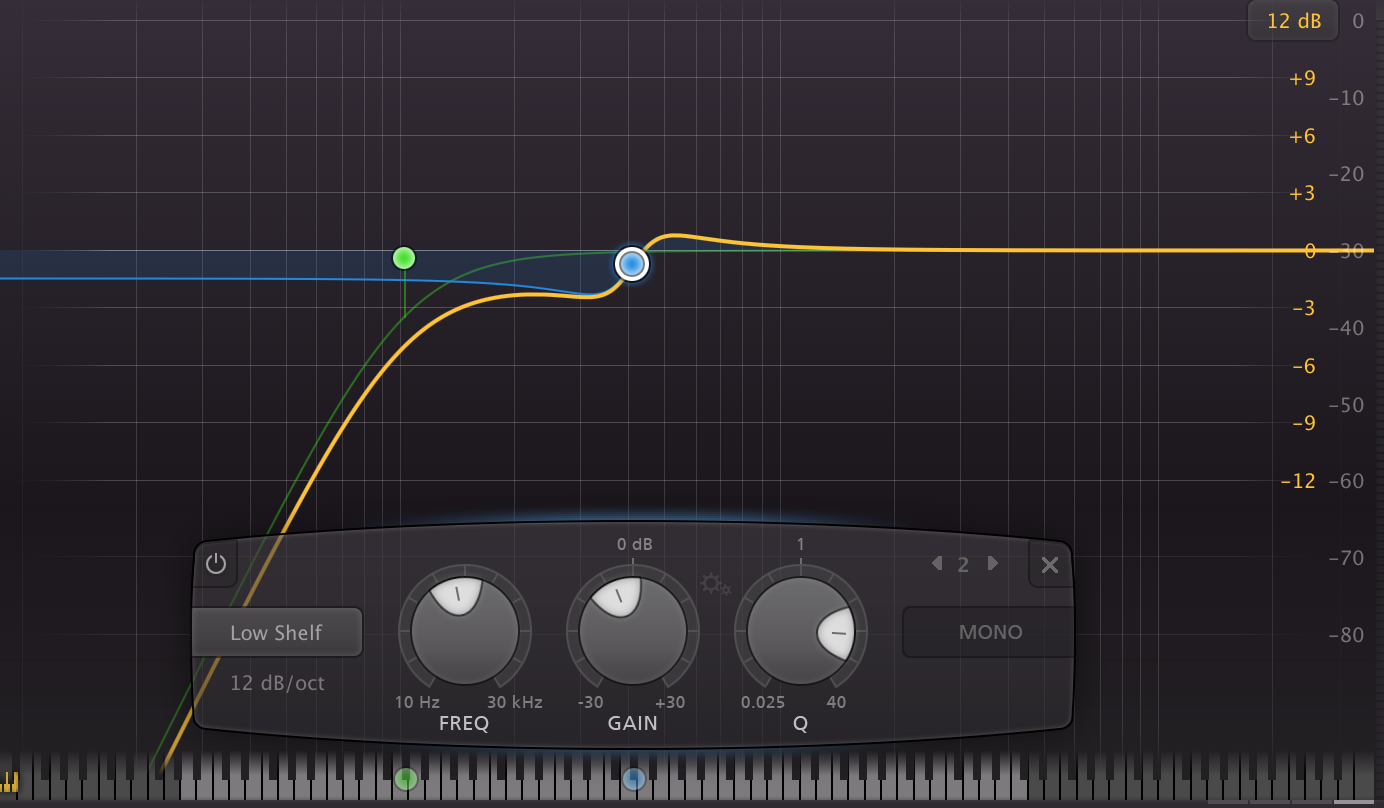
Got an interesting question about filtering from Cara Tors, an Audio Issues customer:
“Thank you so much for this video — EQ no longer seems so scary! I do have a question, though…when you are filtering, sometimes you said something like “we can filter this out because there’s nothing there.” But how do you know if there is something there or not?”
Generally speaking, any instrument that you’ve recorded that’s not going to support the low-end or the bass frequencies won’t really have any usable bass frequencies.
You can safely filter out all of these frequencies up to at least 100 Hz. This is an especially useful technique for getting rid of unwanted rumble and extraneous low-end noise from tracks you recorded in a less-than-ideal studio space.
At that point, you’re not just filtering out the low-end frequencies of the instrument, but also the low-end energy of the surrounding room that the microphone picked up when you recorded the track.
Getting rid of all that can help clean up the sound in general, especially if you have a lot of different tracks recorded in your home studio.
How Do You Know If There’s Something There or Not?
To know whether there’s a lot of low-end rumble in your mixes you might need a subwoofer to hear all those low frequencies. However, if you recorded instruments in a room, chances are there’s still low-end energy that can be filtered out to clean up the signal.
Even if you don’t have a full-range speaker system to hear it, microphones can get pretty sensitive, and although you might not hear anything out of the ordinary during the intro, there might have been a FedEx truck that drove by while you recorded the final chorus.
It also depends on the instrument that you’re filtering. If you slap on an analyzer and you see that there’s nothing going on in the low-end, then there’s no instrument information there that you need to worry about. However, as I said before, home recordings are notorious for adding rumble and background noise into the recording that can then be safely filtered out.
To me, it’s a better safe than sorry type of situation. I’ll use high-pass filters on anything that doesn’t need low-end because I know that too much bass can quickly muddy up my mix.
Don’t fear the filter. It’s the best way to eliminate low-end buildup and clutter from instruments that don’t need it. For more information on how to use filtering effectively, check out my EQ Strategies – Ultimate Guide to EQ guide here:


Music Mixing



LEAVE A COMMENT