The Most Important Part of Recording Vocals in the Bedroom
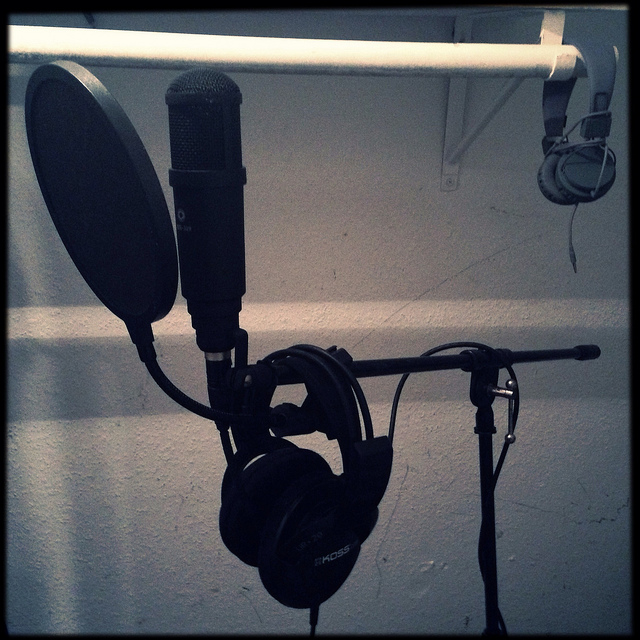
I got this question about recording vocals a while back.
The studio is just a spare bedroom. The acoustics are really not that bad but we always have problems recording vocals. They seem very mundane and flat.
This is a very common problem with home recording. Recording vocals in a small bedroom will never give you an amazing sound straight into the microphone.
Flat Vocal Sound
When you say flat I don’t take it as meaning off-key. I take it to mean that it’s monotone or uninspiring. Like something is missing.
I hate to break it to you but vocals will usually sound pretty flat in a bedroom. Without any help from the room itself the vocals will inevitably sound dry and “flat.”
That’s where your reverb comes in.
- During recording – In order to make the vocalist feel inspired, a dry vocal sound isn’t gonna cut it. Adding reverb to the headphone mix will guarantee a better performance.
- During mixing – The reverb you use during recording might not be the perfect fit. By having a dry sound from your bedroom you’re actually better off since you have more options to choose from with your reverb plug-ins.
Recording Vocals is About Performance
Since you don’t have the luxury of a nice big room to record vocals in you sound you can easily enhance the vocals with some reverb so there’s no reason you should be stuck with a mundane sound.
Of course, there are some technical issues to consider if you want to cut the amount of room sound in your vocal recording.
- Polar patterns
- Positioning
- Pop filters
But the main one is the performance. I tackled all the technical issues in Recording Strategies. And I even interviewed voice-over and vocal recording expert Randy Coppinger on all the intricacies of getting that great performance.
If you’re recording vocals anytime soon, I recommend you take a look just to make sure you’re covering all of your bases.
www.audio-issues.com/strategies
Image by: monomaticpics


Recording Tips



LEAVE A COMMENT